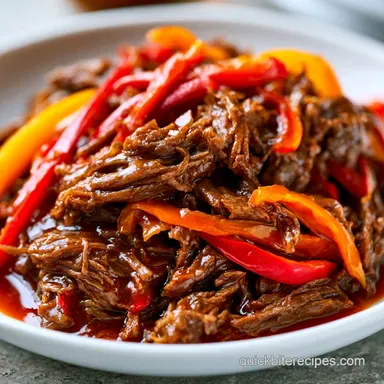
Ropa Vieja: Authentic Cuban Beef Stew

- Time: 20 min active + 180 min cooking = Total 200 min
- Flavor/Texture Hook: Savory, tangy, and tender beef shreds
- Perfect for: Sunday family dinners or batch meal prep
- Making Authentic Ropa Vieja
- Why This Beef Method Works
- Component Analysis
- Gathering Your Essentials
- Essential Kitchen Gear
- Step-by-Step Cooking Guide
- Fixing Common Cooking Issues
- Troubleshooting Common Issues
- Swaps and Variations
- Storage and Waste Tips
- Perfect Complements
- Final Thoughts on Braising
- High in Sodium
- Recipe FAQs
- 📝 Recipe Card
The smell of searing beef hitting hot oil is the only way to start this. I remember the first time I tried to shortcut this dish by using lean stew meat. I thought I was being healthy, but I ended up with something that felt like chewing on a rubber band. It was a disaster.
The magic is all in the beef chuck roast. This cut is the hero because it has those thick ribbons of connective tissue. When you cook it low and slow, that toughness transforms into a silky richness that you just can't get with sirloin or round.
If you've never made Ropa Vieja, expect a process that's more about timing than complex skills. You'll start with a hard sear, build a fragrant base of peppers and onions, and then just let the pot do the heavy lifting for a few hours. It's a straightforward plan that delivers a huge punch of flavor.
Making Authentic Ropa Vieja
Right then, let's get into the grit of it. This dish is all about the "shredded clothes" look, which is exactly what the name means. To get that look, we aren't just chopping meat, we're breaking down the muscle fibers.
Trust me on this, don't rush the searing phase. That mahogany crust on the outside of the beef isn't just for looks, it's where the deep, savory base of the sauce comes from. If you crowd the pan or use too little oil, you'll just steam the meat, and you'll lose that concentrated flavor.
We've all been there, trying to speed up a braise by cranking the heat. Don't do it. High heat toughens the proteins. Keep it at a gentle simmer, and the beef will eventually give in and pull apart with almost no effort.
Why This Beef Method Works
Collagen Melt: Long, slow heat turns tough connective tissue into gelatin, which creates that velvety mouthfeel.
Layered Aromatics: Sautéing the peppers and onions first builds a concentrated flavor base that the meat absorbs during the braise.
Acid Balance: Adding lime juice and capers at the very end cuts through the heavy fat of the chuck roast.
Liquid Reduction: Simmering the shredded meat back into the sauce ensures every fiber is saturated with flavor.
| Method | Time | Texture | Best For |
|---|---|---|---|
| Stovetop | 3 hours 20 mins | Silky and cohesive | Traditional taste |
| Oven | 3 hours 45 mins | Consistent tenderness | Set and forget |
Component Analysis
| Ingredient | Science Role | Pro Secret |
|---|---|---|
| Beef Chuck Roast | Structure & Fat | Trim only the thickest fat caps; keep the marbling |
| Tomato Paste | Thickener & Color | Fry it for 2 mins to remove the "raw" metallic taste |
| Manzanilla Olives | Briny Contrast | Slice them thin so you get a pop of salt in every bite |
Gathering Your Essentials
Here is exactly what you need. Don't bother with low-fat beef broth or lean cuts; you need the fat for the sauce to cling to the meat.
- 2.5 lbs beef chuck roast, trimmed of excess exterior fat Why this? High collagen content for maximum tenderness
- 2 tbsp olive oil
- 1 large yellow onion, thinly sliced
- 1 large green bell pepper, sliced into strips
- 1 large red bell pepper, sliced into strips
- 4 cloves garlic, minced
- 1 cup low sodium beef broth Why this? Provides depth without oversalting the dish
- 1 can (14.5 oz) diced tomatoes, no salt added
- 2 tbsp tomato paste
- 1 tsp dried oregano
- 1 tsp ground cumin
- 1 bay leaf
- 1/2 tsp salt
- 1/2 tsp black pepper
- 1/4 cup manzanilla olives, sliced Why this? Traditional Spanish style saltiness
- 1 tbsp capers, drained
- 2 tbsp fresh parsley, chopped
- 1 tbsp fresh lime juice Why this? Wakes up the heavy braised flavors
| Original Ingredient | Substitute | Why It Works |
|---|---|---|
| Beef Chuck Roast | Beef Brisket | Similar fat content. Note: Takes slightly longer to tenderize |
| Manzanilla Olives | Green Pitted Olives | Similar briny profile. Note: Flavor is less sharp than Manzanilla |
| Beef Broth | Vegetable Broth | Adds liquid and salt. Note: Lacks the deep beefy undertone |
Essential Kitchen Gear
You don't need a fancy setup for Ropa Vieja, but one piece of gear is non negotiable: a heavy bottomed pot. A Dutch oven is the gold standard here because it distributes heat evenly and holds a tight seal. If you use a thin pot, you'll likely scorch the bottom of the sauce during the 3 hour simmer.
For the shredding, have two sturdy forks ready. Some people use a hand mixer, but that's overkill and often turns the meat into mush. We want long, distinct strips that look like shredded fabric.
Finally,, a sharp chef's knife for the peppers and onions. Slicing them into consistent strips ensures they cook evenly and don't vanish into the sauce.
Step-by-step Cooking Guide
Let's crack on with the actual process. Follow these steps, and keep an eye on the sensory cues.
Season the beef generously with salt and pepper. Heat olive oil in a Dutch oven over medium high heat. Sear the meat for 5-7 minutes per side until a deep mahogany crust forms. Remove the meat and set it aside on a plate.
Note: Don't move the meat too early or you'll break the crust
In the same pot, add the onions and peppers. Sauté for 6-8 minutes until softened and translucent. Stir in the minced garlic, cumin, and oregano, cooking for 60 seconds until the aroma hits you.
Stir in the tomato paste, then deglaze the pot with beef broth, scraping up the brown bits (fond) from the bottom. Add diced tomatoes and the bay leaf. Return the beef and any accumulated juices to the pot.
Cover with a tight lid and simmer on low for 2.5 to 3 hours, until the meat pulls apart with minimal effort. You'll know it's ready when a fork slides in and twists without resistance.
Remove the beef to a cutting board. Use two forks to shred the meat along the grain into long, thin strips. Note: Shredding against the grain makes it too crumbly
Return the shredded beef to the pot and simmer with the sauce for a final infusion of flavor for about 10 minutes.
Stir in the sliced manzanilla olives, capers, chopped fresh parsley, and fresh lime juice. Sizzle it one last time on medium heat before serving.
Chef's Tip: To get a truly deep color, fry the tomato paste in the oil for 2 minutes before adding the broth. This caramelizes the sugars and adds a richer hue to your Ropa Vieja.
Fixing Common Cooking Issues

Even the best of us hit a snag. Most problems with this dish come down to heat management or the cut of meat used.
Troubleshooting Common Issues
| Issue | Solution |
|---|---|
| Why Your Beef Is Still Tough | If the meat isn't shredding, it's simply not done. Collagen doesn't melt on a schedule, it melts at a specific temperature. According to guidelines on Serious Eats, brai |
| Why Your Sauce Is Too Watery | This usually happens if the lid was too loose or the beef released more moisture than expected. Instead of adding flour, simply remove the lid for the last 20 minutes of simmering. The liquid will red |
| Why The Taste Is Too Acidic | Too many tomatoes or a very sharp batch of capers can tilt the balance. A pinch of brown sugar or a small knob of butter stirred in at the end can neutralize the harsh acidity without making the dish |
Common Mistakes Checklist:
- ✓ Did you sear the beef until it was dark brown, not grey?
- ✓ Did you shred the meat along the grain for those long strips?
- ✓ Did you deglaze the pot to get all those flavor bits off the bottom?
- ✓ Did you add the lime juice at the end rather than the beginning?
- ✓ Did you use a tight fitting lid to keep the moisture in?
Swaps and Variations
Depending on what's in your pantry or your dietary needs, you can tweak this Ropa Vieja recipe without losing the soul of the dish.
Ropa Vieja Slow Cooker Method
If you're short on time during the day, sear the meat in a pan first (don't skip this!), then dump everything into the slow cooker. Cook on Low for 8 hours or High for 5 hours. The texture is slightly softer, but you lose a bit of the sauce reduction.
Ropa Vieja Instant Pot Method
Sauté the aromatics and sear the beef using the "Sauté" function. Add all liquids and pressure cook on High for 60 minutes with a natural release of 15 minutes. This is the fastest way to get that "all day" feel.
Lean Beef Swap
If you must use a leaner cut like top round, add an extra tablespoon of olive oil or a bit of beef tallow to the pot. Lean meat doesn't have the internal fat to lubricate the fibers, so you have to add it externally to avoid a dry result.
Plant Based Alternative
Swap the beef for king oyster mushrooms or young green jackfruit. Shred the mushrooms with a fork and sear them hard in oil before adding the sofrito. Since there's no collagen, skip the long braise and just simmer for 30 minutes.
| Goal | Action | Result |
|---|---|---|
| Extra Tangy | Double the capers | Sharper, more Mediterranean profile |
| Spicier | Add 1 diced habanero | Authentic Caribbean heat |
| Richer Sauce | Add 1 tbsp butter | Glossier, velvety finish |
Storage and Waste Tips
This dish is actually better the next day. The flavors have time to mingle, and the sauce thickens up. Store it in an airtight container in the fridge for up to 4 days.
For freezing, let it cool completely first. It stays great in the freezer for up to 3 months. When you're ready to eat it, thaw it in the fridge overnight and reheat it in a pan with a splash of water or broth to loosen the sauce.
Don't toss the beef trimmings from the start of the recipe. Toss those fat scraps into a freezer bag and use them to sear steaks or roast potatoes later. Also, if you have leftover beef broth in the can, freeze it in ice cube trays for a quick flavor boost in future pan sauces.
Perfect Complements
You can't just serve Ropa Vieja on its own. It needs the right partners to balance the richness of the beef.
First, white rice is a must. Use a long grain variety and cook it with a bit of garlic for extra depth. The rice acts as a sponge for that velvety tomato sauce.
Next, consider black beans. A slow simmered pot of Cuban black beans with cumin and bell pepper provides a creamy contrast to the shredded meat. This is the classic "Plato Combinado" experience.
Finally, add some sweetness with fried sweet plantains (maduros). The caramelized sugar of the plantains cuts right through the briny olives and capers. If you want something fresh, a simple side of sliced avocado with a squeeze of lime and a pinch of salt will round out the plate.
If you're looking for something different, try serving the beef inside a toasted baguette for a Cuban style sandwich. Just add some Swiss cheese and press it in a panini maker until the cheese is molten.
Final Thoughts on Braising
The beauty of this recipe is that it's forgiving. As long as you have the right cut of meat and enough time, you can't really mess it up. It's a dish that teaches you the value of patience in the kitchen.
Right then, you've got the plan. Get that pot hot, sear that beef until it's almost too dark, and let the low heat do the work. Your house is about to smell like a Cuban kitchen, and your friends are going to be seriously impressed. Trust the process, keep the heat low, and enjoy every bite of this classic.
High in Sodium
980 mg 980 mg of sodium per serving (43% 43% of daily value)
The American Heart Association recommends a daily sodium limit of no more than 2,300 mg for most adults to maintain heart health.
Tips to Reduce Sodium
-
Swap Brined Ingredients-30%
Omit the olives and capers or replace them with freshly diced cucumber and an extra squeeze of lime for a similar tangy profile.
-
Upgrade Your Broth-30%
Substitute the low-sodium beef broth with homemade unsalted beef stock or water infused with sautéed vegetable scraps.
-
Eliminate Added Salt-25%
Remove the 1/2 tsp of salt entirely; the concentrated flavors from the tomato paste and beef will provide sufficient seasoning.
-
Check Your Tomato Paste-15%
Switch to a no-salt-added tomato paste to ensure no hidden sodium is being added during the thickening process.
-
Enhance with Fresh Aromatics
Increase the fresh parsley, garlic, and lime juice to add brightness and depth of flavor without increasing sodium.
Recipe FAQs
Why do Cubans call it ropa vieja?
It translates to "old clothes." The shredded beef strips resemble tattered fabric, which gives the dish its descriptive name.
What cut of meat is Ropa Vieja?
Use beef chuck roast. This cut contains the connective tissue necessary to withstand a 2.5 to 3 hour simmer and produce a tender, shreddable texture.
What is Cuba's national dish?
Ropa Vieja is Cuba's national dish. This savory shredded beef stew is the most iconic representation of Cuban culinary tradition.
Is Ropa Vieja a Puerto Rican dish?
No, it is primarily a Cuban dish. While Puerto Rico has its own versions of shredded beef, Ropa Vieja is specifically the national dish of Cuba.
How to fix the sauce if it is too watery?
Remove the lid for the last 20 minutes of simmering. This allows the liquid to reduce and thicken the sauce without needing extra thickeners.
Why is my beef still tough after simmering?
Keep simmering on low. Collagen breaks down at a specific temperature, so the meat simply needs more time to become tender enough to pull apart.
How to store and reheat Ropa Vieja?
Store in an airtight container in the fridge for 4 days or the freezer for 3 months. Reheat in a pan with a splash of beef broth to loosen the sauce.
Ropa Vieja: Slow-Cooked and Tender