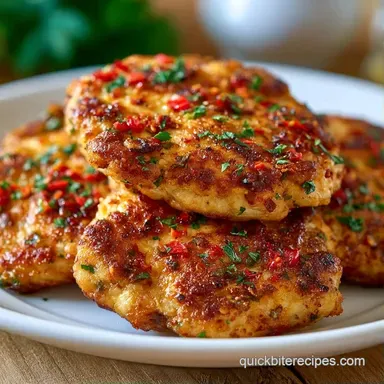
Failure-Proof One Pan Chicken Thighs

- Time:10 minutes active + 30 minutes cooking = Total 40 minutes
- Flavor/Texture Hook: Shatter crisp skin with velvety, roasted carrots
- Perfect for: Weeknight dinners and beginner cooks who hate doing dishes
- One Pan Chicken Thighs
- Why These Thighs Work
- Ingredient Role Breakdown
- Essential Kitchen Tools
- Step-by-Step Cooking
- Fixing Common Mistakes
- Troubleshooting Common Issues
- Flavor Twists and Swaps
- Adjusting the Batch Size
- Truth About Roasting
- Storage and Reheating
- Plating and Serving
- Recipe FAQs
- 📝 Recipe Card
Ever had that moment where you're staring at a raw chicken thigh and wondering why some people get that glass like, crackling skin while yours just looks... wet? I spent a whole summer trying to "sear" meat in a pan first, then move it to the oven, only to end up with a kitchen that looked like a grease bomb went off and chicken that was somehow dry and burnt at the same time.
It was a mess, honestly.
Then I discovered the magic of over high heat roasting. I remember the first time I just tossed everything together and cranked the oven to 425°F. The smell that filled the house, that heavy, savory aroma of roasting garlic and chicken fat, was a total shift.
When I pulled the tray out, the skin wasn't just brown, it actually crackled when I touched it.
This approach to One Pan Chicken Thighs and Potatoes is about working with the fat, not against it. We're letting the chicken do the heavy lifting by seasoning the vegetables with its own juices as it roasts. You get a complete meal with almost zero cleanup, and the result is something that tastes like it took hours of effort.
One Pan Chicken Thighs
Right then, let's get into why this actually works. Most people make the mistake of using a low temperature, thinking they're "gentle" with the meat, but that's how you end up with rubbery skin. We're going for a over high heat blast.
The Secret to This Dish:
- Fat Rendering: The high heat melts the subcutaneous fat quickly, frying the skin from the inside out.
- Passive Basting: As the One Pan Bone In Chicken Thighs roast, the drippings coat the potatoes and carrots, creating a savory glaze.
- Thermal Mass: The vegetables act as a heat sink, keeping the bottom of the chicken moist while the top gets crispy.
- Acidic Finish: Adding lemon juice at the very end cuts through the heavy fat, brightening the whole plate.
| Method | Prep Time | Texture | Best For |
|---|---|---|---|
| Oven Roast | 10 minutes | Shatter crisp skin | Hands off cooking |
| Stovetop | 20 minutes | Seared crust | Fast, small batches |
| Slow Cooker | 6 hours | Fall apart tender | Meal prep/set and forget |
Why These Thighs Work
When you're making Easy One Pan Chicken Thighs, you're essentially creating a small oven ecosystem. The choice of dark meat is critical here. Chicken breasts would dry out long before the baby potatoes were soft, but thighs have enough intramuscular fat to withstand the heat.
I've found that the arrangement on the pan is just as important as the temperature. If you crowd the pan, the chicken steams instead of roasts. You'll see the skin turn a pale grey instead of a deep golden brown.
Giving each piece of meat its own "breathing room" allows the hot air to circulate, which is what gives you that professional grade crunch.
Ingredient Role Breakdown
Not every ingredient is just for flavor. Some are there to change the physical structure of the dish. For instance, the smoked paprika doesn't just add a woody note, it helps the chicken achieve a deeper color faster.
| Ingredient | Science Role | Pro Secret |
|---|---|---|
| Bone in Thighs | Thermal Stability | Bones protect the meat from overcooking |
| Olive Oil | Heat Conductor | Use a high smoke point oil for 425°F |
| Smoked Paprika | Color Catalyst | Enhances browning without extra heat |
| Lemon Juice | pH Balancer | Squeeze immediately after roasting for zest |
Essential Kitchen Tools
You don't need a fancy arsenal for this. A simple rimmed baking sheet is the gold standard here. If you use a pan with high sides, you're trapping steam, which is the enemy of crispy skin.
If you have a cast iron skillet, use it. It holds heat better than a sheet pan, meaning the potatoes on the bottom will get those gorgeous, charred edges. I usually use a Lodge skillet for this because it distributes the heat so evenly. Just make sure it's oven safe, obviously.
Step-by-step Cooking
Let's crack on with the process. Remember, the goal is to keep the chicken skin as dry as possible before it hits the heat.
1. Prep and Season
Pat the chicken thighs completely dry with paper towels. Note: Any moisture on the skin will turn into steam, preventing that shatter crisp texture. In a large bowl, toss the chicken and vegetables with olive oil, salt, pepper, Italian seasoning, and smoked paprika until evenly coated.
2. The Strategic Arrange
Spread the baby potatoes, carrots, and red onion in a single layer across your baking sheet. Make sure they aren't piled on top of each other.
3. The Nestling
Nestle the chicken thighs skin side up on top of the vegetables. Ensure the pieces are not touching to allow for proper airflow.
4. The over High heat Roast
Place the pan in a preheated 425°F (218°C) oven. Roast for 25-30 minutes until the skin is deep golden brown and potatoes have charred edges.
5. The Finishing Touch
Remove from the oven and immediately drizzle with fresh lemon juice. Let the meat rest for 5 minutes. Note: Resting allows the juices to redistribute so they don't run out the moment you cut in.
Fixing Common Mistakes

One of the biggest issues I see is "the soggy bottom." This happens when the vegetables release too much water and the chicken ends up boiling in its own juices. If you've ever had One Pan Chicken Thighs and Veggies that felt more like a stew than a roast, this was the cause.
Troubleshooting Common Issues
| Issue | Solution |
|---|---|
| Why Your Vegetables Are Soggy | This usually happens because of overcrowding or using vegetables with too much water content (like zucchini) without adjusting the time. If the pan is too full, the steam can't escape. |
| Why Your Chicken Skin Is Rubbery | Rubbery skin is almost always a result of temperature or moisture. If the oven wasn't fully preheated to 425°F, or if you didn't pat the skin dry, you'll get a leathery texture instead of a crisp one. |
| Why Your Garlic Burnt | Smashed garlic cloves can burn if they are exposed directly to the hot metal of the pan. I always tuck my garlic under the chicken thighs so they poach in the fat instead of scorching. |
Common Mistakes Checklist:
- ✓ Patted chicken skin bone dry before oiling
- ✓ Oven preheated for at least 20 minutes
- ✓ Vegetables spread in a single layer (no piling)
- ✓ Chicken pieces not touching each other
- ✓ Lemon juice added after roasting, not before
Flavor Twists and Swaps
Once you've got the base down, you can really play with this. If you're looking for something different, you can try One Pan Chicken Thighs and Rice. Just be careful: you'll need to add chicken broth to the pan and cover it for the first 20 minutes so the rice cooks through.
For a lighter version, Healthy One Pan Chicken Thighs and Veggies can be made by swapping the potatoes for cauliflower florets and Brussels sprouts. Since these veg cook faster, keep a close eye on them around the 20 minute mark.
If you don't have bone in meat, you can use One Pan Boneless Skinless Chicken Thighs. However, since they lack the protective bone and fat, reduce the roast time to 20-25 minutes so they don't dry out. If you prefer a different style, you can check out my Baked Boneless Skinless Thighs guide for more precision.
Another favorite of mine is the Mediterranean swap. Use oregano instead of Italian seasoning, add Kalamata olives and feta cheese during the last 5 minutes of roasting, and swap the carrots for red bell peppers.
| Original Ingredient | Substitute | Why It Works |
|---|---|---|
| Baby Potatoes (1 lb) | Parsnips (1 lb) | Similar density. Note: Adds a sweeter, earthier flavor |
| Italian Seasoning | Herbes de Provence | Similar herb profile. Note: Gives a more floral, French vibe |
| Carrots (3 large) | Celery or Turnips | Holds shape during roast. Note: Turnips are more peppery |
Adjusting the Batch Size
When you're scaling this up, the most important thing to remember is the pan surface area. If you double the recipe but use the same size pan, you'll end up with the "soggy bottom" problem I mentioned earlier.
Scaling Down (Half Batch): Use a smaller baking sheet or a 9 inch skillet. You can usually reduce the roasting time by about 5 minutes, but always rely on the visual cue of the golden brown skin.
Scaling Up (Double Batch): Work in two separate pans. Don't just use a bigger pan if it means the vegetables are piled up. For the seasonings, don't double the salt exactly - start with 1.5x and taste. Liquids like lemon juice can be doubled without issue.
Truth About Roasting
There are a few things people tell you about roasting chicken that just aren't true. Let's clear those up.
First, you'll hear that you need to "sear" the meat in a pan first to seal in the juices. This is a myth. Searing adds flavor, but it doesn't create a vacuum seal. over High heat roasting does the same job of browning the meat without the extra step and messy stovetop.
Second, some say you should baste the chicken with butter every 10 minutes. Honestly, don't even bother. The chicken thighs provide enough of their own fat to baste the vegetables and the skin. Adding more butter often just weighs down the skin and prevents it from getting that shatter crisp finish.
Storage and Reheating
If you have leftovers, store them in an airtight container in the fridge for up to 4 days. I'll be honest, the skin loses its crunch in the fridge, but there's an easy fix.
To reheat, don't use the microwave - it'll turn the chicken into rubber. Instead, pop the leftovers back into a 350°F oven or an air fryer for 5-8 minutes. This crisps the skin back up and warms the potatoes through without overcooking the meat.
For freezing, you can freeze the cooked meat and veg for up to 3 months. Just thaw it in the fridge overnight before reheating in the oven.
Zero Waste Tip: Don't throw away the chicken bones if you used bone in thighs. Toss them in a pot with water, a scrap of onion, and a carrot simmer for 2 hours to make a quick, concentrated stock for your next soup.
Plating and Serving
To make this look like it came from a bistro, don't just scoop it onto a plate. Pile the roasted potatoes and carrots in the center of a platter and nestle the chicken thighs on top. The contrast between the deep orange carrots and the golden chicken is stunning.
For a side, I love serving this with a dollop of something creamy. A scoop of Easy Homemade Hummus on the side of the plate adds a nutty, velvety texture that pairs perfectly with the charred vegetables.
Finish the whole platter with a sprinkle of fresh parsley or chives. The pop of green against the roasted tones makes the dish look fresh and balanced. Serve it immediately while the skin is still crackling.
You've now got a foolproof method for One Pan Chicken Thigh Recipes that actually delivers on the promise of "easy." It's a reliable, high impact meal that proves you don't need a dozen pans to make something impressive.
Trust me on this - once you start roasting at 425°F, you'll never go back to low and slow for your weeknight chicken.
Recipe FAQs
Are chicken thighs good for diabetics?
Yes, they are a protein-rich choice. Because they contain virtually no carbohydrates, they help maintain stable blood sugar levels when paired with the fiber-rich vegetables in this meal.
How long should it take to cook chicken thighs in the oven?
Roast for 25–30 minutes. This timing ensures the meat is cooked through and the skin reaches a deep golden brown when roasted at 425°F.
Are chicken thighs ok for cholesterol?
Yes, when eaten in moderation. While thighs have more saturated fat than breasts, using heart-healthy olive oil and plenty of carrots and onions creates a balanced nutritional profile.
How to cook chicken thighs in a pan?
Toss the chicken and vegetables in olive oil and seasonings. Arrange them in an oven-safe cast iron skillet and roast at 425°F for 25–30 minutes for a seamless one-pan meal.
How to bake chicken thighs in the oven?
Preheat your oven to 425°F. Spread vegetables on a rimmed baking sheet, nestle the chicken skin-side up on top, and roast for 25–30 minutes.
How to cook boneless and skinless chicken thighs in an oven?
Reduce the roasting time to 15–20 minutes. Without the bone and skin to protect the meat, they cook significantly faster and can dry out if left for the full 30 minutes.
What are some great chicken thigh recipes?
Experiment with different regional spices or filling methods. If you enjoyed mastering the oven-roasting technique here, see how we apply a similar high-heat finish to our stuffed potatoes.
One Pan Chicken Thighs: Crispy Roasted