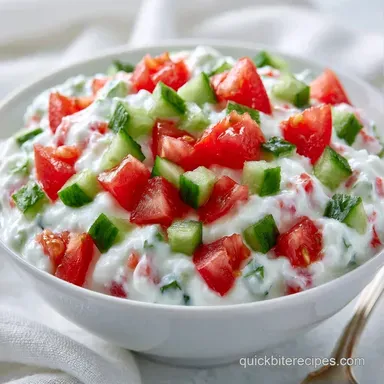
Savory Greek Yogurt Dinner Bowls

- Time: 10 min active
- Flavor/Texture Hook: Tangy, creamy base with a crisp, salty crunch
- Perfect for: Hot summer nights or lazy no cook weeknights
Greek Yogurt Dinner Bowls
Whenever I catch the scent of zesty lemon and fresh dill, I'm transported back to those sweltering August nights where the humidity made using the oven unthinkable. I spent years avoiding the heat by eating uninspiring sandwiches or frozen dinners that just made me feel tired.
Everything changed when I began experimenting with Greek yogurt as a savory base. While it might seem strange if you're used to pairing it with berries and honey, adding salt, lemon, and garlic transforms it into something entirely new.
I rely on these Greek Yogurt Dinner Bowls whenever I need a satisfying meal that requires absolutely no heat. They provide a massive protein boost and plenty of crisp vegetables in just ten minutes.
Simple Logic Behind the Bowl
How the Tang Balances Out: Lemon juice cuts through the heavy fat of the yogurt. This keeps the bowl feeling light instead of weighing you down.
Protein Satiety: The thick Greek yogurt base provides a dense protein source that keeps you full longer than a standard salad.
Texture Contrast: Pairing the soft yogurt with raw, diced vegetables creates a satisfying crunch in every bite. It's a similar vibe to my yogurt dressing recipe, where the acidity cuts through the richness.
| Method | Time | Texture | Best For |
|---|---|---|---|
| Fast Bowl | 10 mins | Creamy & Crisp | Solo weeknight dinners |
| Classic Salad | 20 mins | Crunchy & Oily | Family style sides |
The Right Ingredients
The base needs to be plain, full fat Greek yogurt. low-fat versions often have a thinner consistency and a sharper, more metallic tang that doesn't play as well with the salty toppings.
The vegetables are all about the crunch. English cucumbers are better than regular ones because the skin is thinner and the seeds are smaller, meaning you don't have to peel them or deal with a watery mess.
For the salty elements, Kalamata olives bring a deep, fruity saltiness that green olives just can't match. Feta adds that signature creamy crumble that ties the yogurt and the vegetables together.
Tools You Actually Need
No specialized equipment is required for this recipe. You will just need a medium mixing bowl for the base and a wide, shallow serving bowl for the final assembly.
A sharp chef's knife is recommended to dice the cucumbers and tomatoes into small, uniform pieces. Keeping them small ensures a balanced mix in every bite rather than tasting just one ingredient at a time.
Use a small whisk or a fork to blend the yogurt. It is important that the lemon and oregano are fully integrated so you don't encounter any concentrated pockets of acid.
Putting the Bowl Together

- Whisk 1 cup (245g) plain Greek yogurt, 1 tsp (5ml) lemon juice, ½ tsp (2g) dried oregano, and a pinch of sea salt. Note: Stir until the mixture is velvety and uniform.
- Spoon the seasoned yogurt into a serving bowl.
- Smooth the top of the yogurt with the back of a spoon to create a flat surface.
- Arrange ¼ cup (60g) diced English cucumber in one section on top.
- Place ¼ cup (60g) quartered cherry tomatoes in a second section.
- Add 1 tbsp (15g) minced red onion and 2 tbsp (30g) sliced Kalamata olives in their own spots. Note: Keep them separate to prevent the colors from bleeding.
- Sprinkle 2 tbsp (30g) crumbled feta cheese over the center.
- Drizzle 1 tbsp (15ml) extra virgin olive oil evenly across the top.
- Finish with 1 tsp (2g) smoked paprika and a handful of fresh parsley or dill.
Fixing Common Texture Issues
Preventing Watery Yogurt
If your cucumbers are particularly juicy, they'll leak water into the yogurt base. Pat them dry with a paper towel after dicing. You can also sprinkle them with a tiny bit of salt and let them sit for two minutes, then drain the liquid before adding them to your Greek Yogurt Dinner Bowls.
Fixing Overly Salty Base
Feta and olives are salt bombs. If you find the bowl too salty, add an extra teaspoon of lemon juice or a dollop of unseasoned yogurt. The acidity of the lemon masks the saltiness and brightens the whole dish.
Handling Onion Bite
Raw red onion can be aggressive. To mellow it out, soak the minced onion in cold water for five minutes, then drain and pat dry. This removes the sulfurous sting while keeping the crunch and color.
Swapping Ingredients
Feel free to customize this recipe based on your available ingredients. If you're out of feta, Cotija or a salty goat cheese makes a great alternative.
| Original Ingredient | Substitute | Why It Works |
|---|---|---|
| Greek Yogurt (1 cup) | Labneh (1 cup) | Thicker, saltier profile. Note: Reduce added salt |
| Feta Cheese (2 tbsp) | Cotija (2 tbsp) | Similarly salty kick. Note: Drier texture |
| Kalamata Olives (2 tbsp) | Green Olives (2 tbsp) | Brinier taste. Note: Milder than Kalamatas |
To add more protein, I occasionally stir in grilled shrimp or chickpeas. If you're craving something sweet afterward, my Greek yogurt cake is the perfect follow-up.
- For extra protein
- Mix in 1/4 cup hemp seeds.
- For less tang
- Use half the lemon juice.
- For more crunch
- Double the cucumbers.
Keeping Your Bowls Fresh
These are best eaten immediately, but you can prep the components. Keep the seasoned yogurt in a sealed jar in the cooler for up to 3 days. Store the chopped vegetables in separate containers so they don't release water into each other.
To avoid waste, use any leftover cucumber or tomato scraps in a quick salsa or a morning smoothie. If you have a bit of feta left over, crumble it into scrambled eggs the next morning.
Assemble the Greek Yogurt Dinner Bowls right before serving. If you mix everything in advance, the vegetables will soften and the yogurt will thin out, losing that contrast we're after.
Making It Look Great
Presentation is everything for a no-cook dish. Choose a wide, shallow bowl rather than a deep one; this ensures the colorful vegetables stay on top instead of being buried in the yogurt.
The smoked paprika provides more than just a flavor boost; that vivid red against the white yogurt and green cucumber gives the meal a professional touch. Be generous with your fresh herbs.
Pair your bowl with toasted pita or warm naan. The best way to enjoy this is by using the bread to scoop up a tomato, an olive, and some yogurt in a single bite.
You've now got a high-protein, low-effort meal that's light enough for any night of the week. Trust me on the lemon juice, it's the key to bringing all the flavors together. Enjoy your Greek Yogurt Dinner Bowls!
Recipe FAQs
Is a Greek yogurt bowl satisfying enough for dinner?
It provides a dense protein source and fresh vegetables that keep you full longer than a standard salad.
Tip: Serve it in a wide bowl to make room for all the vegetable sections.
How to make plain yogurt more savory?
Whisk in fresh lemon juice, dried oregano, and sea salt until velvety.
Tip: Add a dusting of smoked paprika at the end for a deeper, earthy flavor.
Is it true that Greek yogurt is only for breakfast?
False. It works perfectly as a savory dinner base when paired with Mediterranean vegetables and olives.
Tip: Use a thicker strain of yogurt to ensure the toppings don't sink.
Which toppings work best in a savory bowl?
Diced cucumber, cherry tomatoes, red onion, Kalamata olives, and crumbled feta create the ideal balance.
Tip: Keep the toppings in distinct sections to prevent the colors from bleeding.
What's the best way to improve fat-free yogurt on a diet?
Drizzle extra virgin olive oil over the top and add fresh parsley or dill for richness and aroma.
Tip: If you love high-protein options, you can apply similar assembly logic to protein breakfast burritos.
Do certain ingredients ruin the texture?
No, and here's why. As long as you use the listed fresh vegetables, the texture remains crisp and creamy.
Tip: Pat your diced cucumbers dry with a paper towel to prevent the yogurt from becoming watery.
Greek Yogurt Dinner Bowls in 10 Minutes