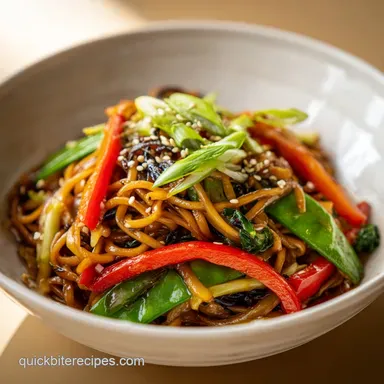
Simple Vegetable Stir Fry with Noodles

- Time: Active 10 minutes, Passive 10 minutes, Total 20 minutes
- Flavor/Texture Hook: Savory sweet gloss with crisp tender snap
- Perfect for: Busy weeknight dinners and budget conscious meal prepping
- Perfecting Simple Vegetable Stir Fry with Noodles
- Fast vs Classic Comparison
- The Secret Behind High Heat
- The Component Breakdown
- Ingredients for Success
- The Essential Tools
- The Step-by-Step Guide
- Avoiding Common Cooking Errors
- Customizing Your Noodle Bowl
- Adjusting the Batch Size
- Debunking Stir Fry Misconceptions
- Storage and Reheating Rules
- Plating and Garnishing Ideas
- Recipe FAQs
- 📝 Recipe Card
Perfecting Simple Vegetable Stir Fry with Noodles
Ever wondered why the first bite of a restaurant stir fry feels like a bolt of lightning while home versions often turn into a soggy, lackluster heap? It isn't just about having a high powered commercial burner or a seasoned wok that’s seen decades of service.
The real magic lies in the moisture control and the "slurry" chemistry that transforms basic liquids into a velvety coating. I remember the first time I tried to make this; I threw everything into the pan at once, and instead of a sizzle, I got a sad, grey stew.
It was a total kitchen tragedy, but it taught me the most important lesson in stir frying: space is your best friend.
We're going to dive into how you can get that incredible "breath of the wok" flavor using a standard skillet and budget-friendly ingredients. This isn't about fancy oils or rare imports; it’s about using 8 oz of rice noodles and 2 cups of broccoli to create something truly vibrant.
You'll learn how to time your carrot julienne and snap peas so they retain their vivid color and "shatter" when you bite into them. Trust me, once you see that sauce thicken and cling to the translucent noodles, you’ll never look at a takeout menu the same way again.
We’re keeping things smart and accessible here. We are talking about 1 tablespoon of canola oil doing the heavy lifting and a 10 minute cook time that respects your busy schedule. This simple vegetable stir fry with noodles is designed to be a template for your fridge clearing needs.
It is fast, it is healthy, and honestly, the way the ginger and garlic hit the hot oil is better than any candle you could ever buy. Let's get into the specifics of why this technique actually works.
Fast vs Classic Comparison
| Feature | Fast Method (This Recipe) | Classic Traditional Style |
|---|---|---|
| Heat Source | Standard Electric/Gas Stovetop | High Output Jet Burner |
| Prep Style | All in-one Sauce Slurry | Multi stage Layered Seasoning |
| Noodle Texture | Tender Rice Noodle Strands | Hand pulled or Wok seared Wheat |
The fast method focuses on efficiency without sacrificing the fundamental chemistry that makes a stir fry pop. By pre mixing our sauce, we ensure the cornstarch is evenly distributed, which prevents those weird gelatinous clumps that can ruin a dish.
While the classic style might involve more complex wok tossing techniques, our approach uses par boiled noodles to ensure they are the exact right texture by the time they hit the pan.
The Secret Behind High Heat
Thermal Searing: High heat creates a rapid evaporation of surface moisture on vegetables, allowing them to brown quickly without becoming mushy inside.
Starch Suspension: The 1 tsp of cornstarch in the sauce acts as a bridge, emulsifying the oil and liquids into a thick glaze that grips the noodles.
Aromatic Infusion: Adding ginger and garlic to the oil at the right moment allows the fat soluble flavor compounds to bloom, seasoning the entire dish from the base up.
The Component Breakdown
| Ingredient | Science Role | Pro Secret |
|---|---|---|
| Rice Noodles | Complex Carbohydrate Base | Rinse with cold water after boiling to stop the cooking process immediately. |
| Cornstarch | Thickening Agent | Always whisk into the cold liquid to ensure it doesn't form lumps in the hot pan. |
| Canola Oil | High Smoke Point Fat | Wait until you see a faint shimmer before adding your first vegetable. |
Understanding your components is the first step toward kitchen confidence. For instance, the low sodium soy sauce isn't just for salt; it provides the amino acids necessary for that deep, savory "umami" profile.
If you're looking for a budget-friendly way to swap things out, you can often use a bit of extra soy sauce and a pinch of salt if you run out of rice vinegar, though the acidity really helps cut through the sweetness of the 1 tbsp of brown sugar.
Ingredients for Success
To get this simple vegetable stir fry with noodles onto your table in 20 minutes, you'll need to gather these specific items. Remember, prep is everything here because the actual cooking happens in a flash.
- 8 oz dried rice noodles: Why this? They cook in minutes and provide a silky, gluten-free texture. (Substitute: Thin spaghetti or linguine if rice noodles aren't available).
- 1 tsp sesame oil: Why this? Used after boiling to prevent the noodles from becoming a sticky brick. (Substitute: Toasted walnut oil).
- 2 cups broccoli florets: Why this? The "trees" act as little sponges for the savory sauce. (Substitute: Cauliflower florets).
- 1 large bell pepper, sliced: Why this? Adds sweetness and a vibrant pop of color. (Substitute: Sliced poblano for a mild kick).
- 1 large carrot, julienned: Why this? Provides a different textural "snap" compared to the softer veggies. (Substitute: Daikon radish).
- 1 cup snap peas: Why this? They offer a fresh, garden sweet flavor and great crunch. (Substitute: Snow peas or green beans).
- 3 scallions, sliced: Why this? Separating the whites and greens lets you use them for both flavor and garnish. (Substitute: Chives or a small amount of leek).
- 1/4 cup low sodium soy sauce: Why this? The base of the umami slurry. (Substitute: Liquid aminos or tamari).
- 1 tbsp rice vinegar: Why this? Provides the essential "bright" note to balance the sugar. (Substitute: Apple cider vinegar).
- 1 tbsp brown sugar: Why this? Helps with the caramelization of the vegetables. (Substitute: Honey or maple syrup).
- 1 tsp cornstarch: Why this? The magic ingredient that creates a glossy, thick sauce. (Substitute: Arrowroot powder).
- 3 cloves garlic, minced: Why this? Essential aromatic for that classic stir fry scent. (Substitute: Garlic shallots).
- 1 tbsp fresh ginger, grated: Why this? Adds a zingy heat that pre ground ginger just can't match. (Substitute: Galangal or a squeeze of ginger paste).
- 1 tbsp canola oil: Why this? You need a neutral oil that won't smoke at high temperatures. (Substitute: Grapeseed or avocado oil).
The Essential Tools
You don't need a professional kitchen, but a few specific tools will make this simple vegetable stir fry with noodles much easier to manage. A large skillet or a wok is the most important piece. You want plenty of surface area so your 1 cup of snap peas and 2 cups of broccoli aren't crowded.
If you use a pan that is too small, the vegetables will release steam and end up "sweating" rather than searing.
Chef's Tip: If you don't have a wok, use the largest flat bottomed skillet you own. This maximizes the contact between the ingredients and the heat source, ensuring those carrots and peppers get a nice char.
A good pair of tongs is also vital. You’ll be tossing 8 oz of noodles with the sauce slurry, and tongs allow you to lift and rotate the strands so every inch gets coated in that glossy 1/4 cup of soy sauce mixture. Finally,, a microplane or a fine grater is your best friend for the 1 tbsp of fresh ginger.
It turns the ginger into a pulp that dissolves into the sauce rather than leaving you with woody chunks to bite into.
The step-by-step Guide

1. Preparing the Foundation
Boil the 8 oz of dried rice noodles in salted water until nearly tender but still firm. This is usually about 1-2 minutes less than the package directions. Drain them immediately and toss with 1 tsp of sesame oil to prevent them from turning into a solid mass.
2. The Umami Slurry
In a small bowl, whisk together the 1/4 cup soy sauce, 1 tbsp rice vinegar, 1 tbsp brown sugar, 1 tsp cornstarch, minced garlic, and grated ginger. Note: Make sure the cornstarch is completely dissolved so you don't get white spots in your sauce.
3. Searing Crisp Vegetables
Heat 1 tbsp of canola oil in your wok over high heat until shimmering and slightly smoking. Add the 2 cups of broccoli, sliced bell pepper, julienned carrot, and 1 cup of snap peas. Work in batches if your pan feels tight to ensure everything sears rather than steams.
4. Reaching the Snap
Add the white parts of the 3 sliced scallions to the pan. Stir fry for exactly 30 seconds until the scallions become fragrant. You want them to soften just enough to release their sweetness without burning.
5. Marrying Sauce and Strands
Add the par boiled noodles and the sauce slurry to the wok. Use your tongs to toss everything constantly for 1-2 minutes until the sauce thickens and coats every strand. You will see the sauce go from a thin liquid to a thick, velvety glaze.
6. The Final Flourish
Remove the pan from the heat immediately to prevent the noodles from overcooking. Garnish with the remaining green parts of the scallions. Serve the dish right away while the vegetables are at their peak "snap" and the noodles are perfectly chewy.
Avoiding Common Cooking Errors
| Problem | Root Cause | Solution |
|---|---|---|
| Soggy Vegetables | Overcrowding the pan | Cook in smaller batches or use a larger pan. |
| Sticky Noodles | Overcooking in the water | Remove noodles when they still have a "bite" (al dente). |
| Bland Flavor | Cold ginger and garlic | Sauté aromatics in oil for 30 seconds to bloom flavors. |
One of the biggest mistakes I see people make is adding the sauce too early. If you pour that 1/4 cup of soy sauce slurry in before the vegetables have a chance to sear, you essentially end up boiling them. You want that over high heat contact first to develop flavor.
If you find yourself in a rush, it is tempting to skip the scallion separation, but using the whites for flavor and the greens for garnish makes a world of difference in the final presentation.
Common Mistakes Checklist
- ✓ Pat vegetables completely dry before they hit the oil to prevent steaming.
- ✓ Whisk the sauce slurry again right before pouring it into the pan as cornstarch settles quickly.
- ✓ Ensure the oil is truly shimmering; a cold pan is the enemy of a good stir fry.
- ✓ Do not walk away from the stove; this recipe requires constant movement once the heat is on.
Customizing Your Noodle Bowl
Adding Protein Punch
If you want to turn this into a heartier meal, you can easily add 225g of chicken breast or firm tofu. Simply sear the protein in the canola oil first, remove it from the pan, and then proceed with the vegetables. You can find inspiration for quick protein prep in my One Pan Chicken guide, which uses similar over high heat principles. Adding a handful of cashews or peanuts at the very end also adds a lovely fat rich crunch that balances the 1 tbsp of rice vinegar's acidity.
Swapping the Starch
While 8 oz of rice noodles are the classic choice for a simple vegetable stir fry with noodles, don't feel locked in. If you have leftover pasta from the night before, it works surprisingly well. Even though it's not traditional, the starch in wheat noodles grabs onto the cornstarch glaze beautifully. If you're a fan of Italian style noodles but want Asian flavors, you might enjoy comparing this texture to an Easy Pasta Carbonara, which also relies on a fast emulsion to create a sauce.
Managing the Heat
If you like things spicy, this is the time to experiment. You can add a teaspoon of red chili flakes to the 1 tbsp of canola oil at the beginning, or whisk a dollop of Sriracha into the sauce slurry.
For a budget-friendly heat boost, a few slices of fresh jalapeño added with the bell peppers will give the dish a bright, grassy fire that complements the snap peas perfectly.
Adjusting the Batch Size
Reducing the Recipe
If you are cooking for one, halving this recipe is straightforward. Use 4 oz of noodles and about 1/2 tsp of cornstarch. Be careful with the cook times; a smaller amount of food will cook significantly faster in a hot pan. Reduce your vegetable searing time by about 20% to avoid over softening the 1/2 cup of snap peas.
Scaling Up for Crowds
When doubling the recipe to 8 servings, do not just throw twice as much into the pan. You must work in batches. Sear half the vegetables, move them to a bowl, sear the other half, then combine everything with the noodles and sauce at the very end.
If you overcrowd the pan with 4 cups of broccoli, the temperature will drop instantly, and you'll lose that "sizzle." For the sauce, you can stick to a 1.5x ratio for spices and salt to avoid overwhelming the dish.
Debunking Stir Fry Misconceptions
One common myth is that you need a massive amount of oil to get things crispy. In reality, 1 tbsp of canola oil is plenty if your pan is hot enough. The oil isn't there to deep fry the veggies; it's there to conduct heat and prevent sticking.
Another misconception is that "soy sauce is soy sauce." Using low sodium soy sauce is actually a strategic choice, as it allows you to control the saltiness while maximizing the umami flavor from that 1/4 cup measurement.
People also often think that "fresh is always better" for every single ingredient. While fresh ginger is non negotiable for that 1 tbsp requirement, frozen broccoli florets can actually work in a pinch.
Just make sure to thaw and dry them completely, or they will dump too much water into your pan and ruin the "simple vegetable stir fry with noodles" texture you've worked so hard to achieve.
Storage and Reheating Rules
Storage: This dish keeps remarkably well in the fridge for up to 3 days. Store it in an airtight glass container to keep the 8 oz of noodles from absorbing all the moisture and becoming mushy.
I don't recommend freezing this particular recipe; the 1 cup of snap peas and bell peppers lose their structural integrity and become watery once thawed.
Zero Waste: Don't throw away those broccoli stalks! Peel off the woody outer layer, slice the tender inner core into matchsticks, and toss them in with the 1 large carrot. They have a wonderful sweetness and help bulk out the meal for zero extra cost. If you have leftover sauce slurry, it can be kept in a jar in the fridge for a week and used to glaze literally any roasted vegetable you have on hand. For a quick snack the next day, try dipping some crusty bread into a side of Homemade Hummus to balance the savory noodles.
Plating and Garnishing Ideas
When you are ready to serve your simple vegetable stir fry with noodles, think about height. Use tongs to twirl the noodles into a high mound in the center of the bowl, then tuck the 2 cups of broccoli and bright red bell peppers around the sides.
This makes the dish look like it came from a high end bistro rather than a 20 minute home session. The green parts of the 3 scallions should be scattered generously over the top for that final hit of fresh, oniony bite.
If you have a few extra cents in the budget, a sprinkle of toasted sesame seeds or a tiny drizzle of extra sesame oil right before serving adds a "velvety" finish and a professional aroma. The contrast between the dark, glossy noodles and the vivid green snap peas is what makes this dish a visual feast.
It is proof that budget smart cooking doesn't have to look or taste cheap, it just takes a little bit of technique and a very hot pan.
Recipe FAQs
Is stir fry ok for diabetics?
Yes, but monitor your portions. This recipe uses fiber-rich vegetables like broccoli, snap peas, and carrots, though the rice noodles contribute to your total carbohydrate intake for the meal.
How to make a simple vegetable stir fry?
Whisk the sauce ingredients, sear the vegetables, then combine with noodles. Start by boiling the noodles, then create a slurry with soy sauce, rice vinegar, brown sugar, cornstarch, garlic, and ginger before stir-frying the vegetables in shimmering canola oil and tossing everything together.
Do you cook noodles or vegetables first in stir fry?
Cook the noodles first. Boil your noodles until nearly tender, drain, and coat them in sesame oil so they are ready to be added to the wok after you have finished searing the vegetables.
What is the secret ingredient in stir fry?
The cornstarch in the sauce slurry is the secret to success. Whisking cornstarch into your soy sauce mixture ensures the sauce thickens instantly when it hits the hot wok, coating the noodles and vegetables in a glossy, savory glaze.
How to prevent stir-fry vegetables from becoming soggy?
Pat your vegetables completely dry before adding them to the hot oil. Ensure your canola oil is shimmering, then cook the broccoli, bell peppers, carrots, and snap peas in batches to prioritize high-heat searing over steaming.
Is it true I can freeze this vegetable stir fry for later?
No, this is a common misconception. The bell peppers and snap peas will lose their structural integrity and become watery once thawed, so it is best to eat the dish fresh or store it in the fridge for up to 3 days.
How to keep rice noodles from sticking together?
Toss the drained noodles immediately with 1 teaspoon of sesame oil. This creates a barrier that prevents the starch from clumping, ensuring the noodles remain separate until they meet the sauce in the wok.
Simple Vegetable Stir Fry With Noodles in 20 Minutes